
Psilocybin Therapy for PTSD in Denver
When trauma hasn't loosened its grip despite good therapy, it's reasonable to ask what else exists. For appropriate candidates, Colorado's legal framework makes psilocybin-assisted therapy one option worth an honest conversation — alongside, not instead of, established trauma care.
PTSD and the Treatment Gap
The established first-line treatments for PTSD — trauma-focused therapies like Prolonged Exposure and Cognitive Processing Therapy — genuinely work for many people, and they should usually be the starting point. But they don't work for everyone. A meaningful share of people complete good trauma therapy and still carry symptoms, and others can't tolerate exposure-based work at all. That gap is where the search for additional options begins.
This page is about one of those options, offered honestly. We're a trauma-treatment practice first — we'll point you to the proven approaches before anything else — and we think the most respectful thing we can do is be precise about where psilocybin-assisted therapy for PTSD actually stands.
Where the Evidence Actually Stands
Here's the straight version. The strongest evidence for psychedelic-assisted therapy in PTSD to date is for MDMA-assisted therapy — a different compound, studied extensively for trauma. Psilocybin specifically for PTSD is earlier-stage and emerging: promising mechanistic rationale and early signals, but not the mature, replicated evidence base that exists for, say, psilocybin in depression. It is not FDA-approved for PTSD.
The mechanistic interest is real: psilocybin appears to increase neuroplasticity and temporarily loosen the rigid, fear-driven patterns trauma entrenches — potentially opening a window in which therapeutic processing can do more. But "promising mechanism" is not "proven treatment," and we won't pretend otherwise. If certainty is what you need, this isn't there yet.
How We'd Approach It
If it's an appropriate fit after screening, the work is trauma-informed at every step.
Trauma-informed preparation
More preparation than usual — building safety, trust, and a plan for difficult material before any session, because trauma changes how the work has to be held.
The supervised session
A state-licensed facilitator stays present throughout, in an approved healing center, with grounding support ready for hard passages.
Structured integration
Where trauma work actually consolidates — processing what surfaced, at a pace your nervous system can tolerate, with your therapist.
Alongside established therapy
Psilocybin work is paired with — not a replacement for — evidence-based trauma therapy, and connected to your ongoing care.
Is This Right for You?
This is most worth discussing if you've done solid trauma therapy and still struggle, you're curious about an emerging option, and you want a provider who'll be honest about uncertainty rather than sell you certainty. It is not a first step, not a guarantee, and not appropriate for everyone — screening comes first.
If you haven't yet tried evidence-based trauma therapy, that's where we'd start — our CBT for trauma and DBT for trauma programs are the proven first-line, and often they're enough.
Why Choose FRTC?
Front Range Treatment Center is a DBT-Linehan Board of Certification, Certified Program™ that treats trauma with established, evidence-based therapies and offers state-licensed natural medicine under Prop 122. That means you can explore this option with a team that knows trauma deeply, will steer you to first-line care when that's right, and won't overstate what psilocybin can do.
Screening, trauma-informed preparation, the session, and integration all happen with one team that holds your whole story.

“With trauma especially, honesty is the treatment's foundation. We'll tell you what the evidence supports, what it doesn't yet, and where the proven path still lies — then help you choose with clear eyes.”
Frequently Asked Questions
Is psilocybin an established treatment for PTSD?
Not yet in the way first-line trauma therapies are. The honest picture: the strongest psychedelic-assisted evidence for PTSD to date is for MDMA-assisted therapy, not psilocybin — and psilocybin specifically for PTSD is an earlier-stage, emerging area of research. It is promising, but it is not FDA-approved for PTSD and the evidence base is still developing. We'll always be straight with you about what's known and what isn't.
Then why consider it?
Because the established first-line trauma treatments — like Prolonged Exposure and Cognitive Processing Therapy — don't work for everyone, and people with treatment-resistant PTSD are often left with few options. For appropriate, carefully screened candidates, Colorado's legal framework makes psilocybin-assisted therapy one option worth discussing honestly — as part of a plan, not a miracle.
Should I try this before regular trauma therapy?
Generally no. Evidence-based trauma therapy is the first-line standard, and for many people it's enough. We'd typically explore psilocybin-assisted therapy when those approaches haven't delivered, or alongside ongoing therapy — never as a reason to skip the established options. We offer CBT for trauma and DBT for trauma as well, so we can help you sequence it sensibly.
I'm a veteran. Is this relevant to me?
Many veterans carry PTSD and moral injury that haven't fully responded to standard care, and there's real interest in — and early research on — psychedelic-assisted approaches in this population. We welcome veterans, take moral injury seriously as distinct from fear-based PTSD, and will give you an honest read on fit. (If you're in crisis, the Veterans Crisis Line is 988, then press 1.)
Is it safe for trauma specifically?
Screening is especially important with trauma. Psilocybin isn't appropriate for everyone — a personal history of psychosis, schizophrenia, or bipolar I rules it out, and a family history calls for a closer look; lithium and MAOIs rule out a session, and other medications, including antidepressants, are reviewed for timing with your prescriber; and trauma can make sessions intense. That's exactly why preparation, a skilled facilitator, and integration matter, and why no outcome can be guaranteed.
Is it legal, and how does it work in Colorado?
Yes — under Colorado's Natural Medicine Health Act (Prop 122), via a licensed facilitator in an approved healing center. See psilocybin therapy in Colorado for how access works statewide.
Related Services
Established first-line trauma care: CBT for trauma (PE & CPT) and DBT for trauma. For the natural-medicine picture, see natural medicine services, psilocybin therapy in Colorado, and psychedelic integration.
Who You'll Work With
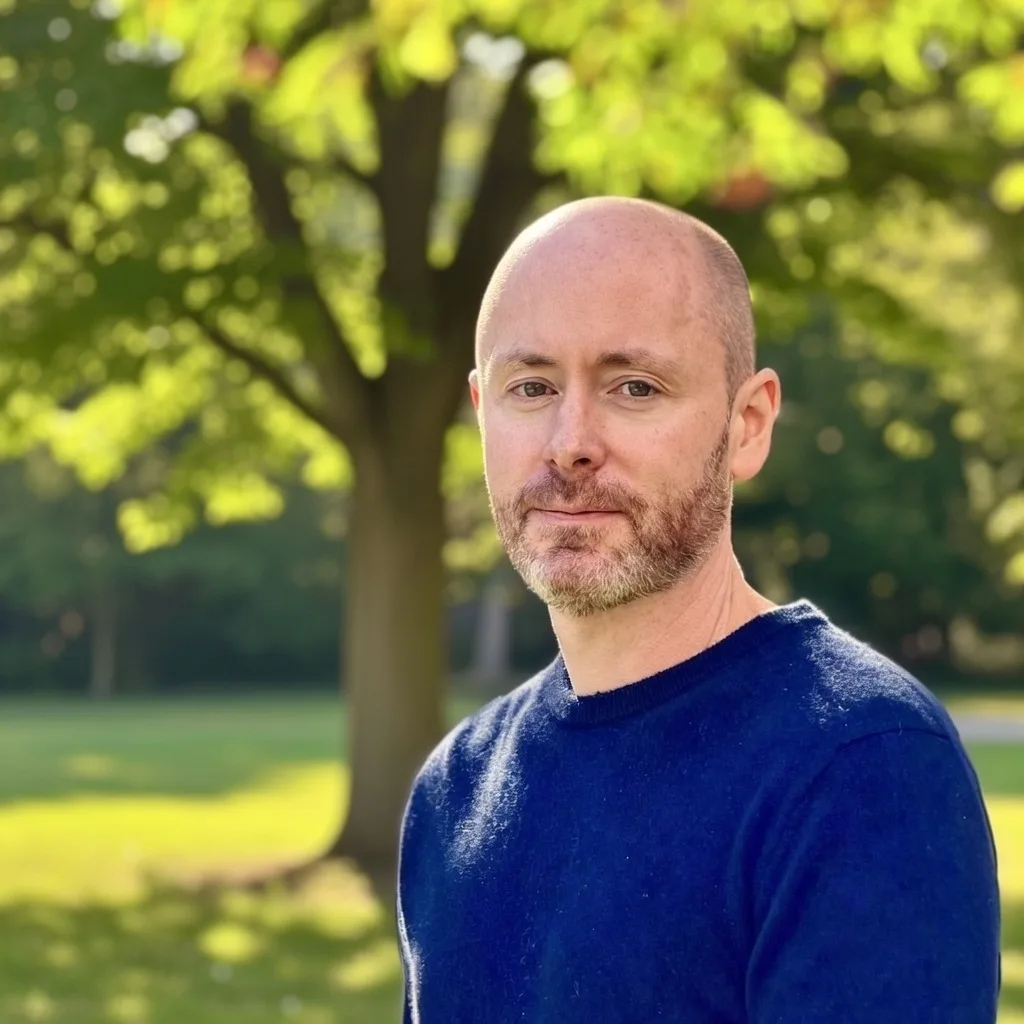
Your facilitator
Tanner Oliver, LCSW
State-Licensed Natural Medicine Facilitator · License NMIT.0000550
Tanner leads natural medicine services at Front Range Treatment Center and guides preparation, the administration session, and integration.
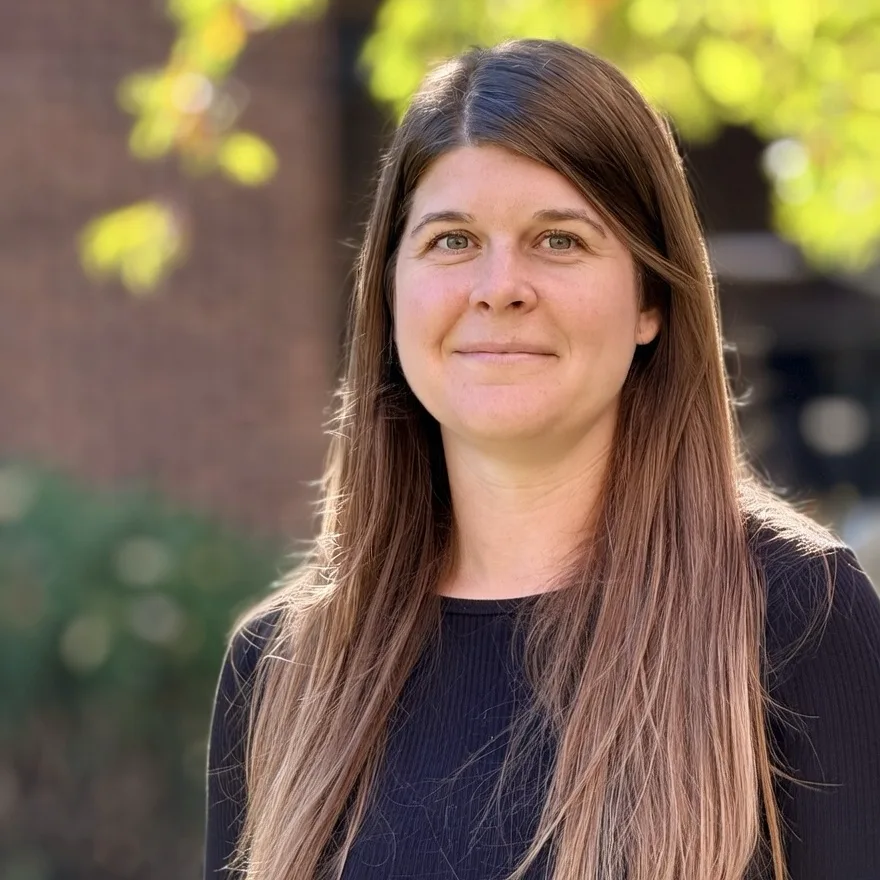 Kara Clapp, MFT-C, LPCC may also assist your facilitator at your sessions.
Talk It Through, Honestly
A free consultation is a no-pressure way to get a straight read on whether this fits your situation — and what the proven options are.